How AI Image Generators Are Changing Digital Content Creation
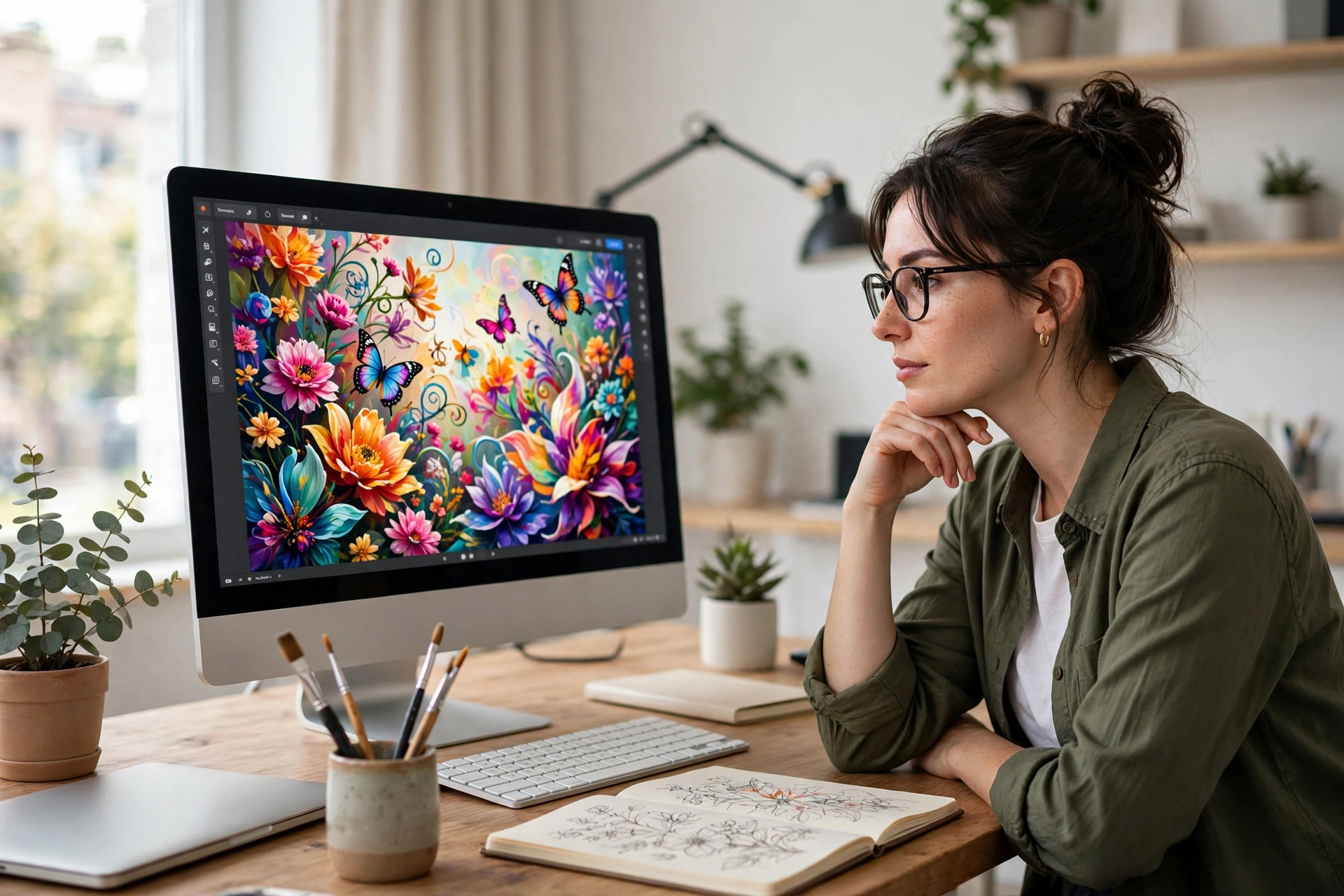
Digital content creation has changed faster in the last few years than in the previous decade, and AI creating images is at the centre of that change. Bloggers, marketers, designers, and small business owners who once waited days for a custom illustration can now produce a usable visual in minutes, and AI creating images has made that speed possible for almost anyone. At the same time, AI creating images has raised new questions about originality, quality, and trust, because a picture that looks professional is not always accurate or original. This article explains how AI creating images works, where it helps most, where it can go wrong, and how creators can use AI creating images wisely without losing their own voice. Readers today expect articles to be clear, visual, and easy to scan, and a well-chosen picture can help them decide in seconds whether to keep reading or move on. That first impression matters even more on mobile, where most people now discover new blogs and brands.
What Are AI Image Generators?
An AI image generator is a tool that turns a written description into a picture, and AI creating images is the process behind that simple idea. You type a prompt, such as a product photo, a landscape, or a cartoon style illustration, and AI creating images turns those words into pixels, colours, and composition. Early tools produced rough and strange results, but modern AI creating images systems can now handle lighting, texture, faces, and detailed scenes with much greater control. For content creators, AI creating images is not just a novelty, because it can produce featured images, social media graphics, product mockups, and blog illustrations without a large design budget. The key point is that AI creating images works best when the prompt is clear, specific, and realistic, and when the creator treats the first result as a draft to refine, not as a finished masterpiece.
How AI Creating Images Works
Behind the screen, AI creating images relies on models trained on millions of pictures and captions, learning how objects, styles, and scenes usually look. When you ask for AI creating images, the system does not copy one old picture, but it builds a new image from patterns it learned during training, guided by your words. That is why AI creating images can be fast and flexible, and also why it can sometimes make mistakes, such as extra fingers, strange text, or impossible shadows. Good AI creating images tools allow you to adjust style, size, colour, and composition, and to generate several versions before you choose one. Creators who understand this process get better results from AI creating images, because they write better prompts, test different styles, and edit the final image instead of accepting the first output blindly.
AI Creating Images in Marketing and Social Media
Marketing teams were among the first to adopt AI creating images at scale, because social media needs fresh visuals every day. With AI creating images, a small team can create campaign images, ad variations, and post graphics for different platforms without waiting for a photo shoot. AI creating images also helps test ideas quickly, because a marketer can compare several visual concepts in an hour and keep only the ones that perform well. However, AI creating images in marketing must still match the brand, because a generic image that does not reflect the product or audience can look cheap and damage trust. The best marketing use of AI creating images combines speed with human editing, so colours, logos, and messages stay consistent, while AI creating images handles the heavy work of generating options.
AI Creating Images for Bloggers and Small Businesses
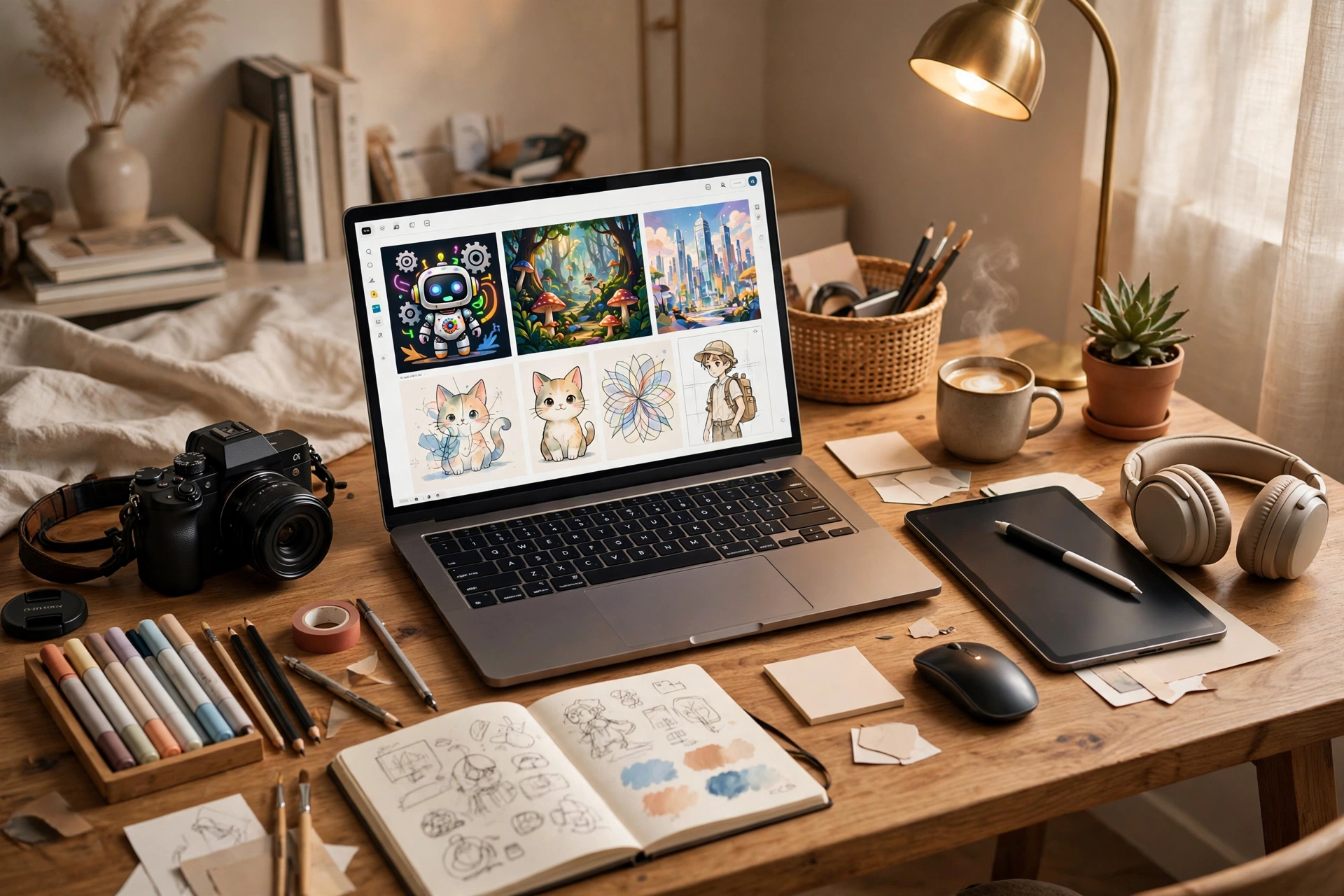
For bloggers and small businesses, AI creating images has removed one of the biggest barriers to publishing regularly. A blogger who writes about technology, food, travel, or business can now add a relevant featured image to every post, and AI creating images makes that possible even without hiring a designer. Small businesses can use AI creating images for website banners, product illustrations, and local promotion graphics, saving money that can be spent on quality content instead. Still, AI creating images should support the article, not replace it, because readers come for useful information first and a picture second. When AI creating images is used to illustrate a real idea, explain a concept, or make a post easier to scan, it adds genuine value, and when it is used only to fill space, readers quickly notice.
Benefits of AI Creating Images
The clearest benefit of these tools is speed, followed closely by cost and flexibility. AI creating images allows creators to produce many variations, try different styles, and update an old post with a fresh visual in minutes. AI creating images also helps creators who do not have design skills, because they can describe what they need in plain language and get a workable result. Another benefit of AI creating images is consistency, because a creator can reuse the same style prompts across posts to build a recognisable look for a blog or brand. For new websites with little content, AI creating images can make the homepage and category pages look fuller and more professional, which helps visitors trust the site and stay longer. Used well, AI creating images does not replace creativity, but it gives creators more time to focus on writing, research, and audience engagement.
Challenges, Copyright and Quality Issues
Despite its benefits, AI creating images brings real challenges that creators should not ignore. Copyright and ownership rules for AI creating images are still evolving in different countries, and a creator should check the licence of the tool they use before selling or using an image commercially. Quality is another issue, because AI creating images can produce images that look good at first glance but contain errors, distorted text, or misleading details. AI creating images can also produce similar-looking pictures for many users, so a blog that relies only on generic AI visuals may lose its unique identity. To reduce these risks, creators using AI creating images should edit images, add their own branding, avoid copying famous styles or faces without permission, and keep a human review step before publishing. Responsible use of AI creating images means being honest about how an image was made when accuracy matters, especially in news, health, or educational content.
The Future of AI Creating Images
The future of AI creating images is likely to be more personal, more accurate, and more integrated into everyday tools. Already, AI creating images is moving inside photo editors, presentation software, and website builders, so creators will not need a separate app for every visual. Future AI creating images tools may understand brand styles better, remember a creator’s preferences, and produce consistent characters and products across many images. At the same time, AI creating images will face stronger rules about labelling, copyright, and fake content, because audiences want to know what is real and what is generated. Creators who learn AI creating images now, while also building strong writing and design judgement, will be in the best position to use future tools well, rather than being replaced by them. That integration also means creators will need to learn new workflows, from prompt libraries to brand style settings, and to keep testing what actually helps their audience.
Where AI Image Generators Help Most
| Use case | How they help | Watch out for |
|---|---|---|
| Marketing and social media | Fresh campaign images, ad variations, and post graphics every day without a photo shoot | The image must match the brand — a generic image can look cheap and damage trust |
| Bloggers and small businesses | A relevant featured image for every post, plus banners and product illustrations, without hiring a designer | The image should support the article, not replace it — readers come for useful information first |
| Testing ideas quickly | Compare several visual concepts in an hour and keep only the ones that perform well | Treat the first result as a draft to refine, not as a finished masterpiece |
| Building a visual identity | Reuse the same style prompts across posts to build a recognisable look for a blog or brand | Generic AI visuals can make many blogs look the same and lose their unique identity |
Frequently Asked Questions
How do AI image generators work?
You type a written description, called a prompt, and the tool turns those words into a picture. Behind the screen, models trained on millions of pictures and captions build a new image from patterns they learned during training, guided by your words.
Are AI-generated images original?
The system does not copy one old picture — it builds a new image from learned patterns. But AI tools can produce similar-looking pictures for many users, so creators should edit images, add their own branding, and keep a human review step before publishing.
Can I use AI-generated images for commercial work?
Copyright and ownership rules for AI images are still evolving in different countries. Check the licence of the tool you use before selling or using an image commercially.
Why do AI images sometimes look wrong?
AI images can contain errors such as extra fingers, strange text, or impossible shadows, and flaws can hide in small previews. Always check the image at the size readers will actually see it, and edit it before publishing.
Do AI image generators replace designers?
No. Used well, they do not replace creativity — they give creators more time to focus on writing, research, and audience engagement. The best content still comes from human ideas, clear goals, and honest editing.
How to Use AI Creating Images Well
If you want to use AI creating images well, start with a clear goal for each image, not just a cool prompt. Write a prompt that describes the subject, style, colours, and mood, and use AI creating images to generate several options before choosing one. Edit the chosen image for size, cropping, and branding, and check it at the size readers will actually see it, because AI creating images can hide flaws in small previews. Keep a simple style guide for AI creating images on your site, so featured images, social graphics, and in-article images feel like they belong together. Finally, measure what works, because AI creating images is most valuable when it helps readers understand, share, and return to your content, not when it simply makes a page look busy. A short checklist before publishing can help: check the image size, check the alt text, check that colours match your site, and check that the picture supports the point of the paragraph it sits beside.
In the end, AI creating images is changing digital content creation by making visuals faster, cheaper, and more accessible, but the best content still comes from human ideas, clear goals, and honest editing. Creators who use AI creating images as a helper, not as a replacement for thinking, can publish more often, test more ideas, and build a stronger visual identity for their blogs and brands. As tools improve, AI creating images will become a normal part of publishing, just like spell-checking and photo editing are today, and the creators who succeed will be those who combine speed with quality, originality, and trust. To learn more about the wider field behind these tools, readers can explore artificial intelligence and see how it connects to image generation, language models, and many other parts of modern technology.
Related reading on MagLanceWire: How AI Agents Are Changing Work in 2026 and Free AI Video Generator | Create Professional Videos with AI.